TikTok’s Mental Health Content Is Making Mental Illness Spread Like a Virus Because Emotional Distress Drives Engagement
Teen depression clusters now spread through algorithmic contagion, and platforms know exactly what they’re doing.
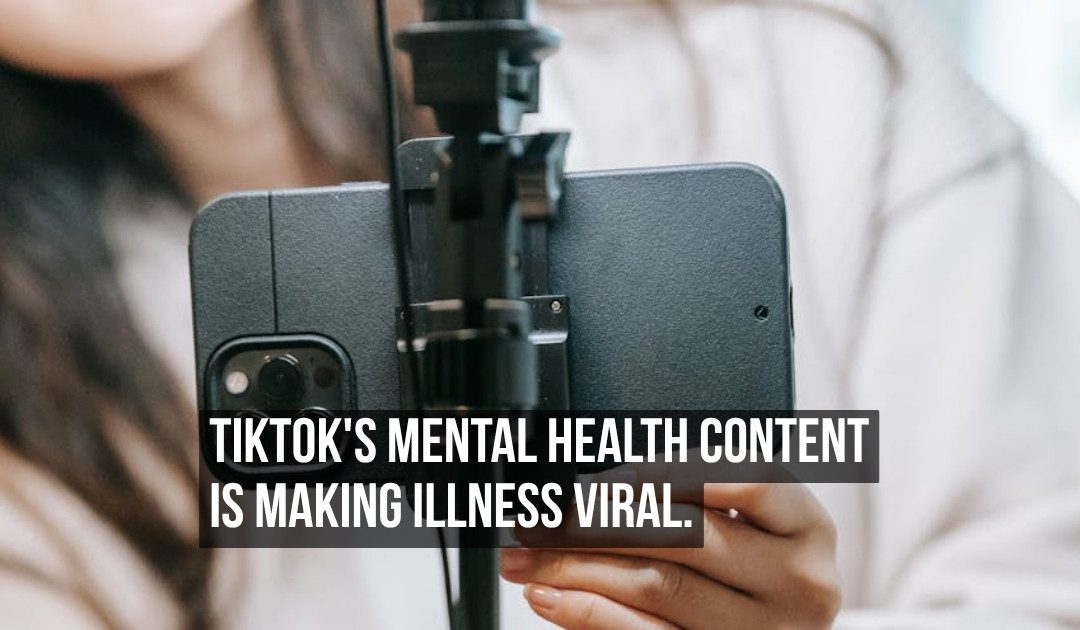
TikTok’s mental health content has exploded—millions of videos of teenagers discussing depression, anxiety, self-harm, suicide ideation. The platform positions this as destigmatization, as Gen Z openly discussing mental health struggles previous generations hid. What the narrative obscures is that mental health content is some of platform’s most engagement-driving material, algorithmically promoted to vulnerable users in ways that spread mental illness symptoms through social contagion.
The platform knows this. Internal research shows that mental health content keeps users engaged longer, triggers more compulsive checking, drives more sharing. The algorithm isn’t neutrally surfacing what users want—it’s actively promoting mental health content because emotional distress drives engagement metrics that drive advertising revenue. This is the same dynamic documented in mental health awareness industry profits from struggles—the infrastructure of care becomes the mechanism of extraction.
The Contagion Pattern
Researchers studying teen mental health are observing unprecedented clustering of mental illness symptoms. Groups of friends simultaneously develop eating disorders, depression, cutting behaviors—patterns consistent with social contagion rather than independent psychological development.
The mechanism is algorithmic exposure. Teen watches one mental health video, algorithm interprets as signal of interest, floods feed with similar content. Within days, user is consuming hours of depression content daily, exposed to symptom descriptions, coping mechanisms (including maladaptive ones), and community normalizing psychological distress.
This isn’t neutral information exchange. It’s immersive exposure to mental illness presentation in ways known to increase symptom adoption, particularly in adolescents whose identities are still forming. The platform is essentially running mass psychology experiment on minors without consent or oversight. This connects directly to what AI therapist harvests your trauma describes—digital systems that simulate care while extracting psychological data for commercial use.
The Identity Capture
TikTok’s mental health content also encourages adopting mental illness as identity. Videos frame depression, anxiety, trauma as core self-definition. Users learn to interpret all experiences through mental illness lens, attribute all difficulties to their diagnosis, build entire social identity around psychological struggle.
This identity capture prevents recovery. If your entire friend network, content consumption, and self-understanding centers on being mentally ill, recovery means losing community and identity. The platform creates incentive structure where staying sick is rewarded with engagement, validation, and belonging.
The comments sections particularly toxic. Users validate each other’s worst interpretations, discourage professional help (therapists don’t understand), share maladaptive coping strategies. It’s peer support network that reinforces pathology rather than supporting recovery.
The Diagnostic Inflation
TikTok mental health content also drives massive diagnostic inflation. Teenagers self-diagnose based on symptoms described in videos, often misinterpreting normal emotional experiences as pathological. Feeling sad becomes depression. Social awkwardness becomes anxiety disorder. Personality traits become trauma responses.
The content creators often aren’t qualified to provide diagnostic information, but they present symptoms with authority. The teenagers watching—many without access to actual mental health care—adopt these diagnoses and identities without professional evaluation.
This serves platform interests perfectly. More users identifying as mentally ill means more users consuming mental health content, more time on platform, more ad impressions. The diagnostic inflation isn’t problem for TikTok—it’s growth strategy. For how doom scrolling might be rational reframes compulsive consumption, the key distinction is whether the behavior serves the user’s awareness or the platform’s revenue.
The Trauma Content
Particularly disturbing is how TikTok promotes trauma content to minors. Detailed descriptions of abuse, assault, trauma responses—content that would require trigger warnings in therapeutic contexts gets promoted to teenagers with no contextual safeguards.
The algorithm learns that trauma content drives engagement and pushes it aggressively. Users report being unable to stop watching triggering content even when they recognize it’s harmful. The platform has created compulsion loop around trauma exposure.
For actual trauma survivors, this can be retraumatizing. For others, it provides trauma narratives they adopt to explain normal difficulties, leading to what psychologists call “concept creep”—expanding trauma definition until it encompasses most human experiences.
The Recovery Prevention
TikTok’s mental health ecosystem also actively prevents recovery. Content about getting better, reducing symptoms, functioning despite difficulties gets less engagement than content dwelling on suffering. The algorithm therefore promotes suffering content over recovery content.
Users who try to recover often face community backlash. They’re accused of faking, not being “really” mentally ill, abandoning the community. The social cost of recovery within platform culture can be enormous.
This creates situation where mental illness becomes permanent identity enforced by algorithmic and social pressure. The platform profits from keeping users mentally unwell and engaged with mental health content indefinitely.
The Profit Motive
TikTok’s mental health content generates enormous revenue. Pharmaceutical companies advertise on mental health videos. Therapy apps buy ads targeting users consuming mental health content. The platform has financial incentive to maximize this content and the vulnerable audience it creates.
The internal research confirming mental health content drives engagement hasn’t led to changes. TikTok continues promoting it because the business model requires it. User wellbeing and platform profit are directly opposed, and profit wins.
The Missing Accountability
TikTok operates without meaningful oversight on mental health impact. The platform isn’t held to therapeutic standards, isn’t required to prevent contagion, faces no liability for harm caused by algorithmic promotion of mental health content to minors.
The company claims to work with mental health organizations and promote resources. But these partnerships are public relations, not substantive change. The algorithm continues promoting mental health content that drives engagement regardless of harm.
What’s needed is recognizing that platforms algorithmically promoting mental health content to adolescents are engaged in psychological intervention without qualification, consent, or oversight. This should require regulation comparable to medical practice, with liability for harm caused.
Instead, platforms profit from making mental illness viral while calling it destigmatization. TikTok’s mental health content isn’t helping teenagers—it’s creating epidemic of algorithmically transmitted psychological distress optimized for advertising revenue.
Something went wrong. Please refresh the page and/or try again.
Help us improve your journey
We use cookies to personalize your experience and understand how you use our site. By clicking 'Yes, I'm in!', you help us show you content you'll actually love. If you prefer to keep things simple, you can stick to the essentials. You can change your mind anytime!
Necessary
Always active
The technical storage or access is strictly necessary for the legitimate purpose of enabling the use of a specific service explicitly requested by the subscriber or user, or for the sole purpose of carrying out the transmission of a communication over an electronic communications network.
Preferences
The technical storage or access is necessary for the legitimate purpose of storing preferences that are not requested by the subscriber or user.
Analytics
The technical storage or access that is used exclusively for statistical purposes.The technical storage or access that is used exclusively for anonymous statistical purposes. Without a subpoena, voluntary compliance on the part of your Internet Service Provider, or additional records from a third party, information stored or retrieved for this purpose alone cannot usually be used to identify you.
Advertising
The technical storage or access is required to create user profiles to send advertising, or to track the user on a website or across several websites for similar marketing purposes.




Leave a Reply